The Role of Body Cameras in Police Brutality Cases: What Families Should Know
Body cameras are powerful tools in police brutality cases — but agencies often resist releasing footage. Learn how California attorney Christian Contreras uses video evidence to expose misconduct and fight for justice.


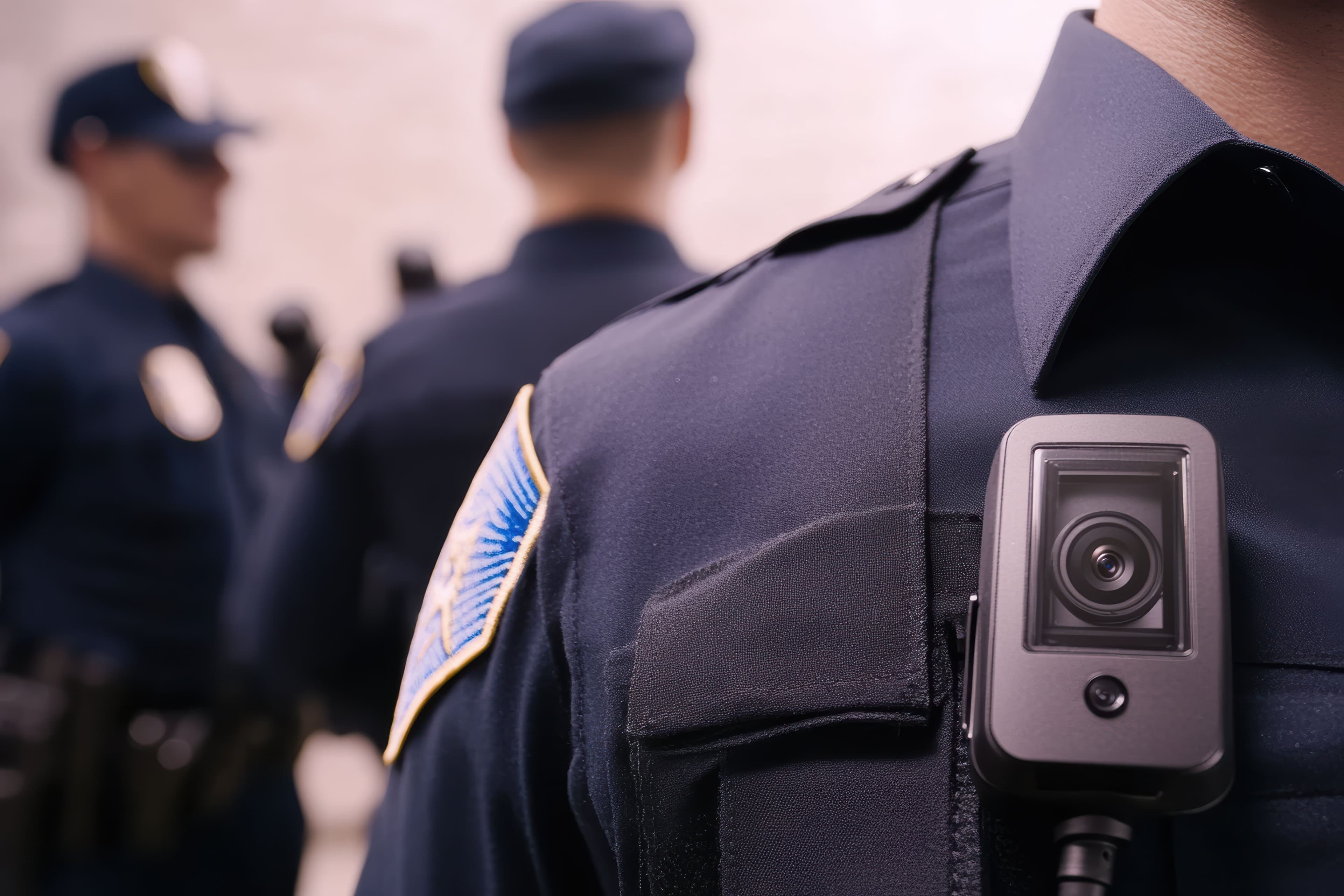
In recent years, body-worn cameras have become symbols of police accountability. They were introduced to capture the truth, protect both officers and civilians, and increase transparency in law enforcement.
But when incidents of police brutality occur, families often find themselves battling not only for justice — but simply for access to the footage. Agencies delay, redact, or even destroy videos that could expose wrongdoing.
At the Law Offices of Christian Contreras, PLC, we fight to obtain, preserve, and use this critical evidence in court to hold law enforcement accountable. Because in a world where actions can be denied, video rarely lies.
The Promise and the Problem of Body Cameras
The goal of body cameras is clear: to provide an objective record of police encounters. In theory, this technology should protect everyone. In practice, however, systemic resistance often undermines that purpose.
Common issues include:
- Footage being withheld from families and attorneys for months or years.
- Selective recording or intentional camera deactivation during violent incidents.
- Editing or redacting footage to obscure critical moments.
- Policies that favor officers rather than the public in determining access.
These practices prevent transparency and deny victims the justice they deserve.
Your Right to Access Police Body Camera Footage in California
In California, families and attorneys have strong legal rights to access police body camera footage under:
- California Public Records Act (CPRA): Grants public access to government-held information, including body camera videos.
- Senate Bill 1421 (2019): Requires disclosure of police records involving shootings, use of force, or sustained misconduct.
- Assembly Bill 748 (2019): Mandates release of body camera footage within 45 days after incidents involving death or serious injury, unless the investigation would be jeopardized.
Despite these laws, many agencies continue to delay or deny access — which is why having a determined civil rights attorney is crucial.
How Body Cameras Change Police Brutality Cases
Body cameras have transformed how police misconduct cases are investigated and litigated. When used properly, they can:
- Confirm victims’ accounts of abuse or excessive force.
- Expose false reports or fabricated narratives.
- Show how officers escalated situations unnecessarily.
- Provide evidence of systemic misconduct or failure to train.
In many cases, body cam footage has made the difference between dismissal and multimillion-dollar verdicts. For families seeking justice, it’s often the key piece of evidence that speaks for those who can no longer speak for themselves.
When Police Misconduct Is Caught on Camera
Recent California cases have shown the power of body camera footage to expose truth. Videos have revealed officers using unlawful chokeholds, shooting unarmed individuals, or failing to render aid after applying force.
Such evidence is powerful — but only if it’s preserved. That’s why attorneys like Christian Contreras act fast to:
- Send preservation notices to law enforcement agencies.
- File motions to compel release of withheld footage.
- Use expert analysis to authenticate and interpret video evidence.
- Present footage to juries to illustrate misconduct and credibility issues.
Justice begins with transparency — and transparency begins with access to the truth.
Challenges Families Face in Accessing Footage
Despite clear laws, families often face roadblocks when requesting video evidence. Common challenges include:
- Claims that footage is part of an “ongoing investigation.”
- Excessive redactions that hide key events.
- Missing or “malfunctioning” cameras.
- Agencies demanding high fees or denying requests outright.
These tactics are designed to exhaust victims and delay accountability. With the right legal representation, however, these barriers can be overcome through court orders and litigation.
Christian Contreras: Fighting for Transparency and Justice
Christian Contreras has built his career exposing police misconduct and demanding transparency from government agencies. His firm has used video evidence to secure major victories, including:
- $6,000,000 jury verdict in a police shooting case (zero pretrial offer).
- $1,035,000 verdict in another police misconduct case.
- $8,500,000 settlement in a jail death case exposing neglect and cover-up.
Recognized as a Top Boutique Law Firm in California (Daily Journal, 2024) and a member of ABOTA, Christian and his team combine trial expertise with a relentless pursuit of truth.
For them, every case is not just about compensation — it’s about exposing patterns of abuse and forcing reform.
How Video Evidence Creates Accountability
When used effectively, body camera footage doesn’t just help individual cases — it transforms public policy. Through litigation, videos can:
- Force police departments to revise use-of-force policies.
- Prompt state investigations into misconduct.
- Lead to officer discipline or termination.
- Encourage better training and oversight.
Each case that uses body camera evidence helps build a more transparent and accountable justice system for all Californians.
What Families Should Do After a Police Incident
If your loved one has been injured or killed by police, time is critical. To protect your rights:
- Contact a civil rights attorney immediately.
- Request preservation of all body and dash camera footage.
- Avoid speaking to internal affairs investigators without counsel.
- Document all communications with the agency.
- Stay persistent — agencies often count on families giving up.
An experienced lawyer can handle the legal battle while you focus on healing and honoring your loved one’s memory.
Conclusion: The Truth Deserves to Be Seen
Body cameras were meant to shine a light on justice — but too often, that light is dimmed by institutional resistance. Every Californian has a right to know what happened when police use force, and every family deserves access to the truth.
At the Law Offices of Christian Contreras, PLC, we fight tirelessly to obtain and use body camera evidence to hold police accountable. Our team stands with families who demand justice, transparency, and reform.
If your loved one was a victim of police misconduct or excessive force, contact us today for a confidential consultation. We’ll help you uncover the truth — and make sure it cannot be ignored.
📞 Call now or visit www.ChristianContrerasLaw.com — because the truth should never be hidden, and justice must be seen.
Over $150 Million in Compensation for Clients